Why Indian Employers Are Adding Onsite Imaging for Executive Health Check to Their Leadership Wellness Strategy
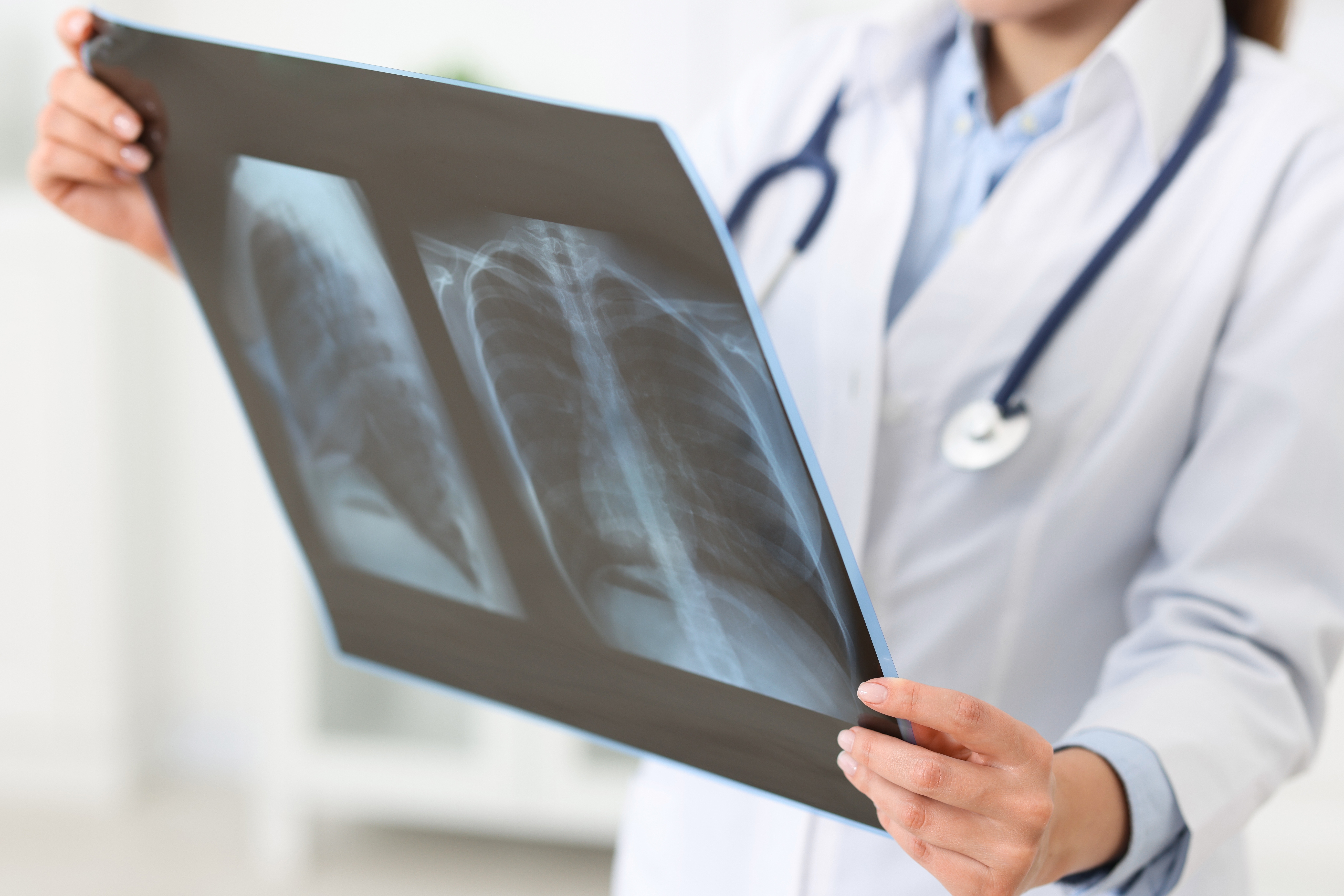
Blood reports lie by omission. Apollo's Health of the Nation 2026 report proved it at scale. Among people diagnosed with fatty liver on ultrasound, 74 per cent had normal liver enzymes. Coronary calcium scans found early atherosclerosis in 45 per cent of asymptomatic individuals. In plain terms, the standard executive blood panel clears leaders who are already ill. Imaging catches what the numbers miss. That gap explains a quiet shift in Indian boardrooms.
The executive risk profile is worse than it looks
Senior leaders are the workforce's highest-risk cohort hiding in plain sight. Their calendars run on travel, late dinners, compressed sleep and sustained pressure. Fatty liver disease now affects an estimated 120 million Indians. Among high-risk groups with diabetes or obesity, prevalence crosses 52 per cent. Executives sit squarely in that band. Yet most feel fine, which is exactly the problem. Metabolic disease stays silent through its most reversible years.
There is also a concentration-of-risk argument. A managing director's cardiac event is not one absence. It is a succession crisis, an investor question and a strategy stalled for two quarters. Boards have started pricing that risk properly.
Where diagnostic delay actually happens
The delay is rarely medical. It is logistical. An executive gets a borderline result in March. The hospital ultrasound needs a half day nobody has. The scan slides to June, then to the next financial year. Onsite imaging for executive health check programmes remove that slippage entirely. The scan happens the same morning as the consult, on campus, between meetings.
An onsite ultrasound for employee health check covers substantial ground in twenty minutes. Liver, kidneys, gallbladder and thyroid get assessed without radiation or fasting drama. Paired with ECG and echocardiography where indicated, it converts an annual formality into genuine surveillance. Accredited onsite health centres can house this capability permanently rather than renting it annually.
Personalisation is the point, not the perk
Leadership screening fails when everyone gets the same package. A 52-year-old CFO with diabetes needs different imaging than a 41-year-old sales head who smokes. Well-designed executive health assessments tier the imaging by age, risk factors and prior findings. Last year's borderline liver becomes this year's tracked measurement. The record follows the person, so trends surface before disease does.
This is also where imaging earns executive trust. Leaders ignore generic wellness advice. They respond to their own scan showing their own arterial calcium. Nothing changes behaviour like personal evidence.
The ROI question, answered honestly
The returns arrive through three channels:
● Avoided catastrophe. One early-caught cardiac or liver finding can prevent a hospitalisation costing more than a decade of screening. ● Continuity of leadership. Fewer sudden medical exits means fewer succession scrambles and steadier execution. ● Insurance arithmetic. Early detection in the costliest claim cohort moderates the group premium trajectory over time.
Track it the way you track any investment. Baseline the leadership cohort's risk scores. Measure movement annually. Count the findings that triggered intervention. The dashboard will justify itself within two renewal cycles.
The bottom line
Executive health programmes built on blood panels alone are auditing the visible half of the ledger. The 2026 data settles the argument: silent disease is the norm in this cohort, and imaging is how it gets found. Employers who bring that capability onsite remove the one barrier executives never admit to, which is time. Protecting the people who steer the organisation is not a perquisite. It is continuity planning with a stethoscope. To design an imaging-led leadership programme, speak with a corporate healthcare partner that runs clinical infrastructure at scale.