The Hidden Cost of Being “Strong” All the Time
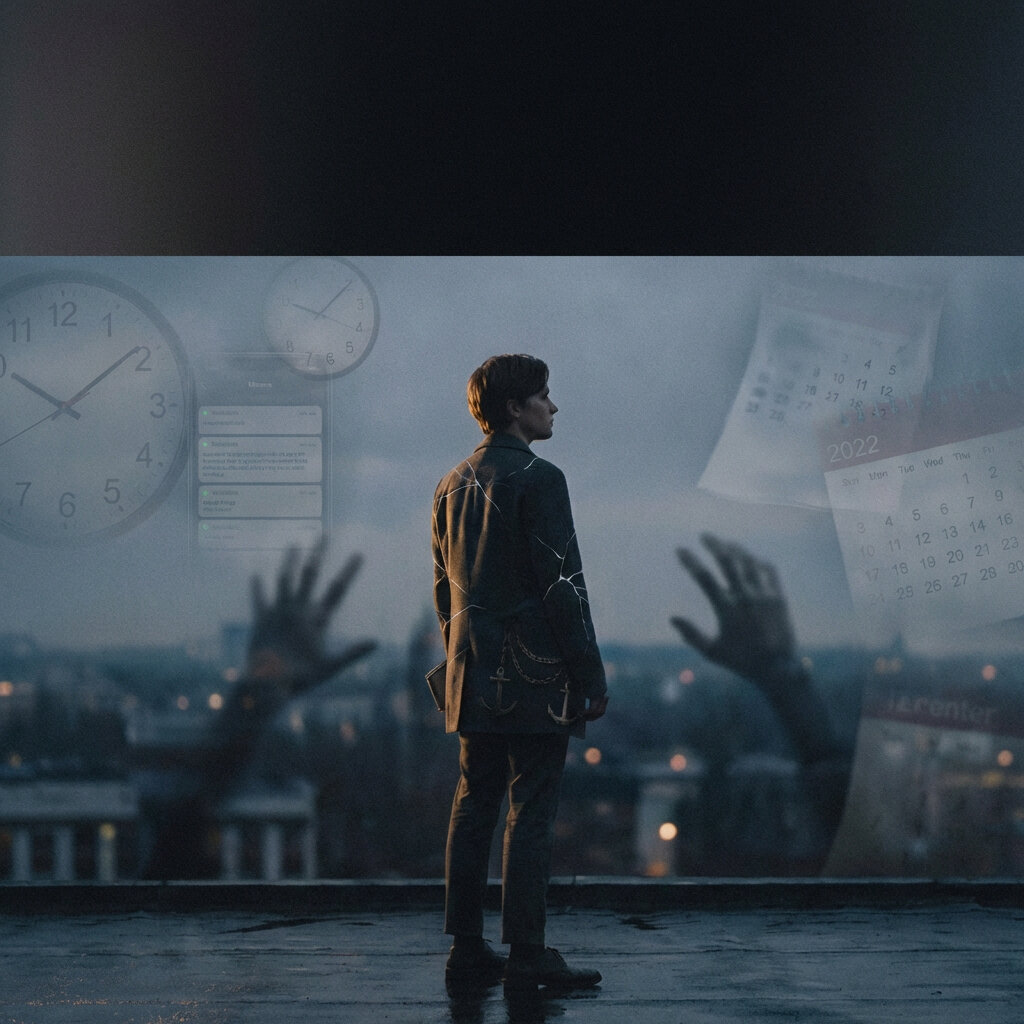
You check your phone before opening your eyes. Messages arrive throughout breakfast. By evening, your eyes feel heavy, your mind feels scattered, and yet you struggle to fall asleep. This experience has become so normalised that we rarely question it but your body has been registering the cost all along.
Digital fatigue is not simply about screen time. It is the cumulative strain of constant connectivity, competing notifications, artificial light exposure, and the neurological impact of rapid attention switching. Unlike physical exhaustion, digital fatigue leaves you mentally depleted while feeling as though you have done nothing at all. You may feel wired rather than tired, unable to settle despite depleted focus and motivation.
What is Digital Fatigue?
Digital fatigue encompasses three interconnected forms of strain: cognitive overload, circadian disruption, and neurochemical imbalance.

Cognitive overload occurs when your brain processes multiple information streams simultaneously. Each notification creates a task switch where your attention fractures between your current activity and the demand for response. These constant interruptions deplete cognitive resources, making sustained focus increasingly difficult. Research shows it takes an average of 23 minutes to refocus after an interruption. With interruptions occurring every few minutes, deep concentration becomes nearly impossible.
Circadian disruption arises from blue light exposure, particularly in evening hours. Light from screens suppresses melatonin, the hormone that signals your body to prepare for sleep. This misalignment leaves your body unable to settle into genuine rest, even when you sleep adequate hours.
Neurochemical imbalance develops through what researchers call "dopamine loops." Digital platforms are designed to trigger reward pathways through unpredictable notifications and variable rewards. This keeps your nervous system in a state of anticipatory arousal, always waiting for the next stimulus, never truly settling. Over time, tasks that don't provide immediate digital rewards begin to feel less engaging, reducing motivation and focus.
Why is Rest Alone not Enough?
Sleep restores physical energy, but digital fatigue persists when cognitive and emotional demands remain unresolved. If your evening routine involves screens until moments before bed, your nervous system remains in a state of arousal even as your body attempts to sleep. A night of sleep cannot reset neurotransmitter systems that are being continuously stimulated throughout the day.
This explains why people can return from vacation feeling just as tired. The issue is not insufficient rest, but insufficient relief from the conditions that create digital fatigue.
Managing Digital Fatigue
While broader changes are needed, you can implement meaningful practices that reduce digital strain:
- Establish screen-free periods. Designate the first hour after waking and the final two hours before sleep as device-free. This protects your natural sleep rhythm and reduces dopamine dysregulation at critical points in your day.
- Disable notifications. Turn off sound and vibration alerts. Each prevented notification is an interruption you don't have to process.
- Create physical boundaries. Keep devices out of your bedroom. Charge your phone outside your sleeping space. This simple boundary reduces nighttime checking and supports genuine sleep.
- Practice intentional use. Define specific times for checking email and messages rather than responding reactively. This reclaims your attention as your own.
- Engage in non-digital activities. Reading, creative hobbies, exercise, face-to-face conversation, and time in nature all allow dopamine systems to recalibrate away from digital rewards.
- Take conscious breaks. During your day, take deliberate 10–15 minute breaks from screens. Step outside or simply sit without stimulation. These breaks interrupt the continuous stimulation cycle.
Conclusion
Feeling exhausted despite doing everything right is not a personal failing. It is often the result of living in a digital environment designed to continuously capture your attention. Digital fatigue is real, measurable, and increasingly consequential for sleep quality, mood, and sustained focus.
The solution is not digital abstinence, but deliberate boundaries that allow your nervous system to genuinely rest and your mind to operate at its natural rhythm. Addressing digital fatigue is about reclaiming rest not as a luxury, but as a biological necessity for wellbeing.