What Are Onsite Health Centre Services and Why Do Companies Need Them?
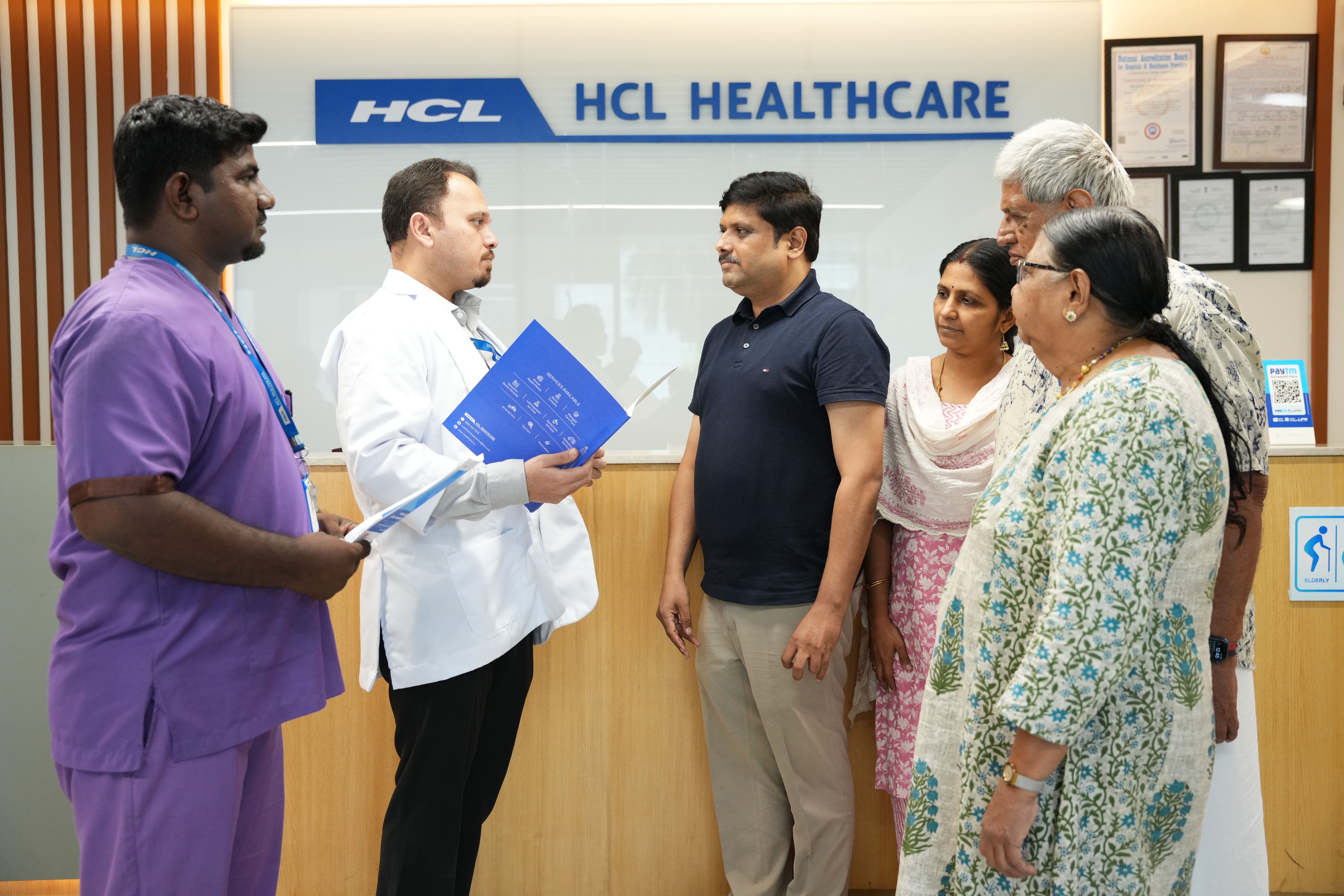
An onsite health centre is a medical facility that operates inside your workplace. It is staffed by doctors, nurses, and paramedics, and it handles everything from a worker's sudden chest pain to the annual health checks the law requires.
Occupational health centre services typically cover emergency response, first aid, routine consultations, occupational health screening, chronic condition follow-up, and the statutory medical records that factory inspectors ask to see.
That is the short answer. The longer answer explains why so many Indian employers have moved this from the "someday" list to the current budget cycle.
What do occupational health centre services actually include?
Picture a manufacturing unit in Manesar with 1,200 workers. Its health centre runs a doctor-led OPD through both shifts. A nurse manages pre-employment and periodic medicals. An ambulance waits on standby. The same room hosts audiometry for the press shop, spirometry for the paint line, and eye tests for the quality team. Every result feeds a health register that satisfies Factories Act requirements.
Corporate offices run a lighter version. Fewer statutory tests, more lifestyle screening, blood pressure checks between meetings, and a clinician who notices when the same employee returns three times with the same complaint.
The core services stay consistent across both settings: medical emergencies handled in minutes, preventive occupational health screening matched to actual job risks, day-to-day primary care, and clean compliance documentation.
Why do companies need them now?
The cost math has turned decisive. Mercer Marsh Benefits projects India's medical trend rate for employer health plans at 9.9 percent for 2026, and its report flags job demands, poor ergonomics, and noise and pollution exposure as rising contributors to claims in Indian urban centres. Care delivered early and onsite costs a fraction of a claim filed after a condition matures.
The risk picture is equally hard to ignore. An analysis published in BMC Public Health in January 2026 estimates that India accounts for 17 percent of the world's non-fatal occupational injuries. A trained medical team stationed minutes from the shop floor changes outcomes in ways an offsite hospital never can.
There is also the quieter, daily benefit. Workplace health and safety stops being a poster on the wall and becomes a room people actually walk into. Employees skip the half-day leave for a fifteen-minute consult. Small problems get treated while they are still small.
How should a company get started?
Start with your workforce profile, not a template. Map the hazards, shift patterns, and headcount, then decide staffing hours and equipment from that data. A specialist partner can assess your site and schedule onsite health centre setup within weeks, covering clinical staffing, protocols, equipment, and statutory documentation in one engagement. If you want to see how this works in practice, explore these onsite health centre solutions built around individual workforce profiles, review the full range of corporate health services that connect to them, or learn more about workplace healthcare designed for Indian employers.
A healthy workforce is not a perk you offer. It is the operating condition your business runs on.