What Should Be Included in a Preventive Health Checkup for Employees?
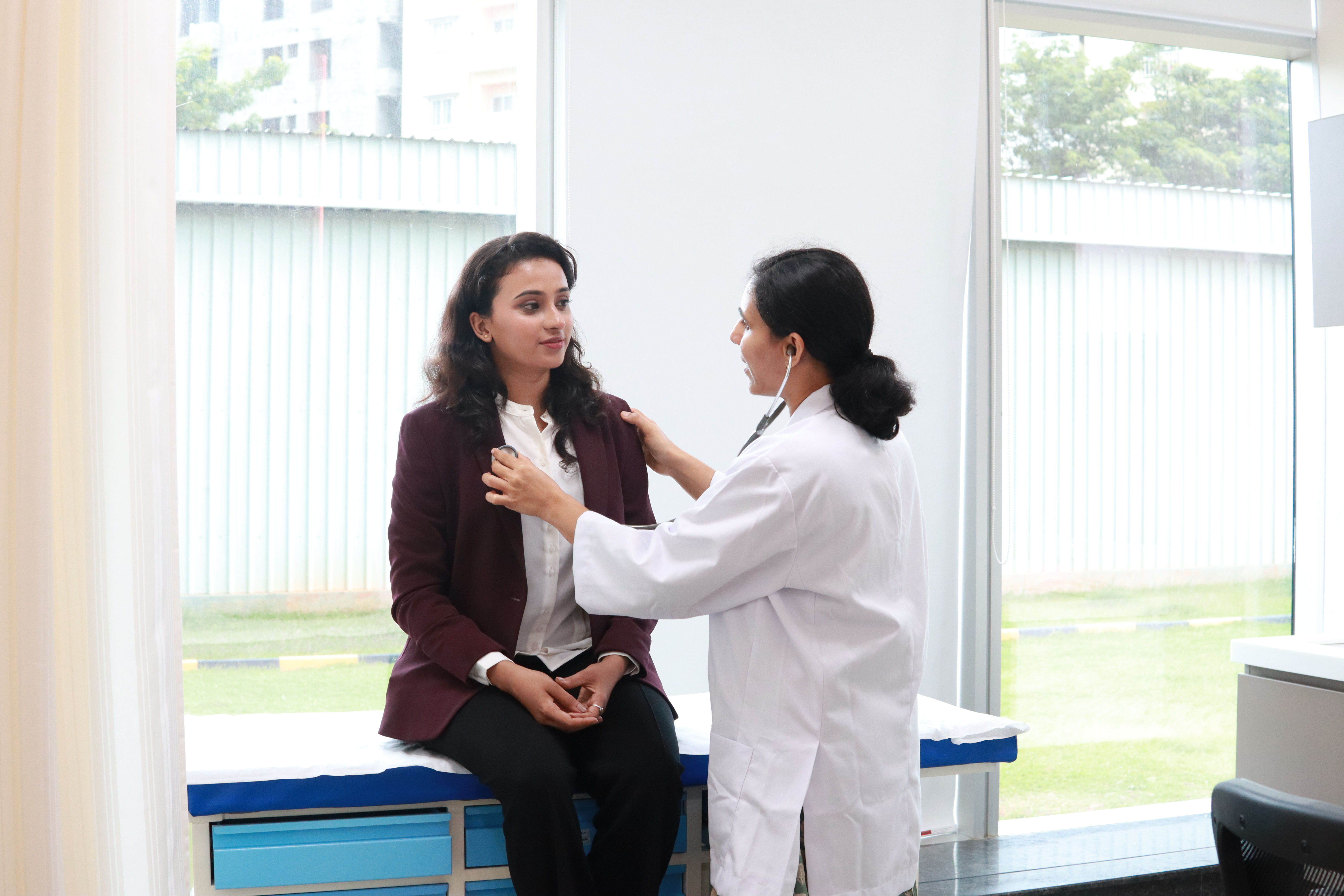
Most corporate health checkups in India are built for throughput. A morning slot, a blood draw, a printout, a fit-to-work note by lunch. That format clears a large number of employees who are already carrying early disease.
A preventive health checkup for employees should cover four layers: statutory occupational screening, metabolic and cardiac markers, nutritional and organ function tests, and a physician-led risk review. The tests that catch disease before symptoms appear sit in the last two layers, and those are the ones most packages leave out.
What does Indian law now require?
The Occupational Safety, Health and Working Conditions Code came into force on 21 November 2025. It obliges employers to provide a free annual health checkup for employees above the age of 40, alongside existing obligations for workers in hazardous processes. Central Rules became binding for central-sphere establishments on 8 May 2026, while several states are still notifying their own rules.
Compliance therefore has two parts: providing the checkup and documenting participation. Industry participation rates for corporate screening hover around 35 per cent, which leaves most employers with records covering a minority of eligible staff.
Which tests belong in the core panel?
● Anthropometry and vitals. Height, weight, waist circumference, BMI and blood pressure recorded across two readings. ● Metabolic markers. Fasting glucose plus HbA1c. Fasting glucose alone misses a large share of early dysglycaemia in Indian populations. ● Lipid profile. Total cholesterol, LDL, HDL, triglycerides and non-HDL cholesterol. ● Liver and kidney function. ALT, AST, GGT, serum creatinine and eGFR. ● Complete blood count and thyroid. Anaemia and hypothyroidism remain heavily under-detected in Indian women of working age. ● Nutritional status. Vitamin D and Vitamin B12, both deficient at high rates across urban Indian workforces. ● Cardiac baseline. Resting ECG from age 35, with treadmill testing where risk factors cluster. ● Vision, dental and mental health screening. Brief validated questionnaires cost little and surface issues that bloodwork cannot.
Why do standard packages miss so much?
Apollo Hospitals' Health of the Nation 2026 report, drawn from over three million preventive assessments conducted during 2025, found that in working populations averaging 38 years of age, nearly half had prediabetes or diabetes and eight in ten were overweight. Only 7 per cent of Indians were disease-free by 40.
Occupational data sharpens the picture. A 2025 study of Hyderabad IT employees, published in Scientific Reports, found 84 per cent had metabolic-associated fatty liver disease and 71 per cent were clinically obese. A basic lipid and glucose panel would have cleared many of them. Liver enzymes and abdominal ultrasound would not. Well-designed annual employee health screening accounts for these occupational patterns.
How should packages vary by role and age?
Age-banded tiers work better than uniform pricing. Under 30 needs metabolic baselines and nutritional markers. The 30 to 45 band adds cardiac and liver screening. Above 45, executive health checkup packages should add cancer screening relevant to age and sex, bone density and detailed cardiac assessment.
Role matters equally. Shop floor and plant staff need audiometry, spirometry and exposure-specific tests. Women across all bands need cervical and breast screening pathways. Sound corporate preventive health packages are built around this segmentation rather than a single tier repeated annually.
What turns screening into an outcome?
Reports without follow-up change nothing. Apollo's 2026 data showed that 56 per cent of people with high blood pressure and 34 per cent with diabetes improved after following recommended care. An effective employee health screening programme therefore builds in physician consultation, referral tracking and repeat testing.
Aggregate reporting closes the loop. A workforce health risk assessment shows which functions carry the heaviest metabolic load, which lets you target interventions instead of distributing them evenly. Employers running on-site medical facilities can capture that follow-up during working hours, which lifts completion sharply. To map screening against your workforce profile, speak with an occupational health provider.