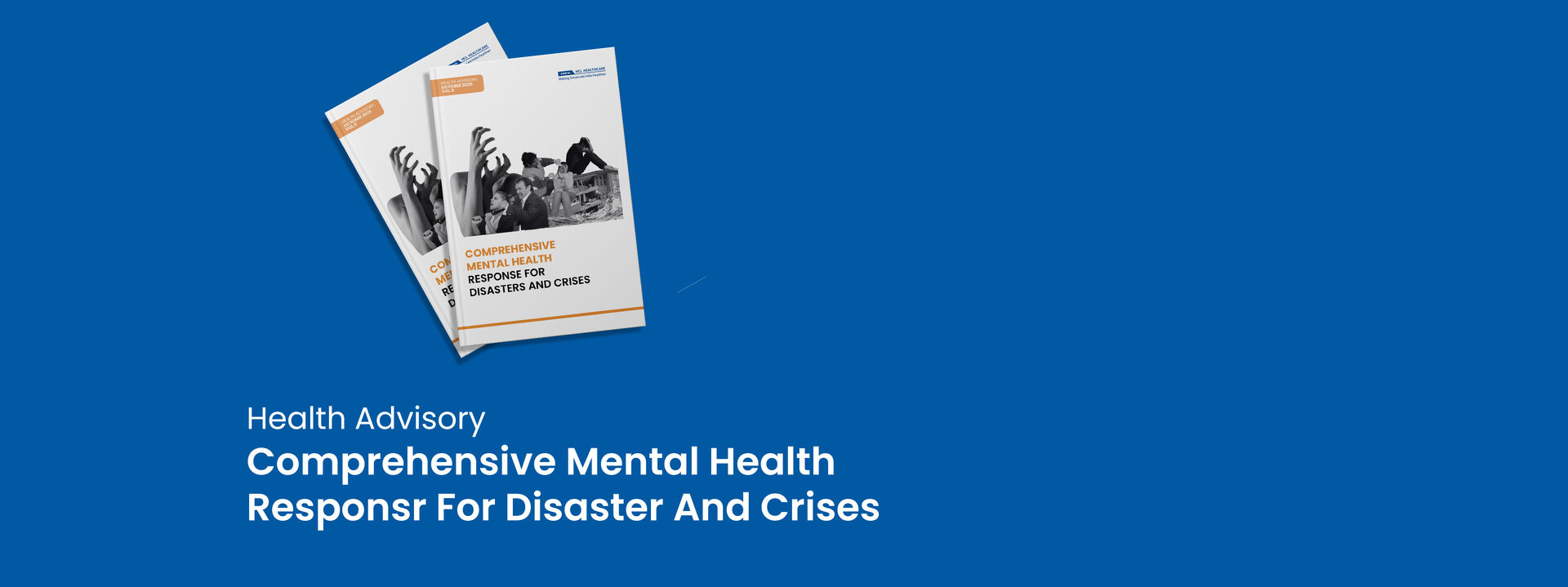
Comprehensive Mental Health Response for Disasters and Crises
Download Report
A clinician's guide to understanding and responding to mental health needs when crises strike.
What You'll Discover
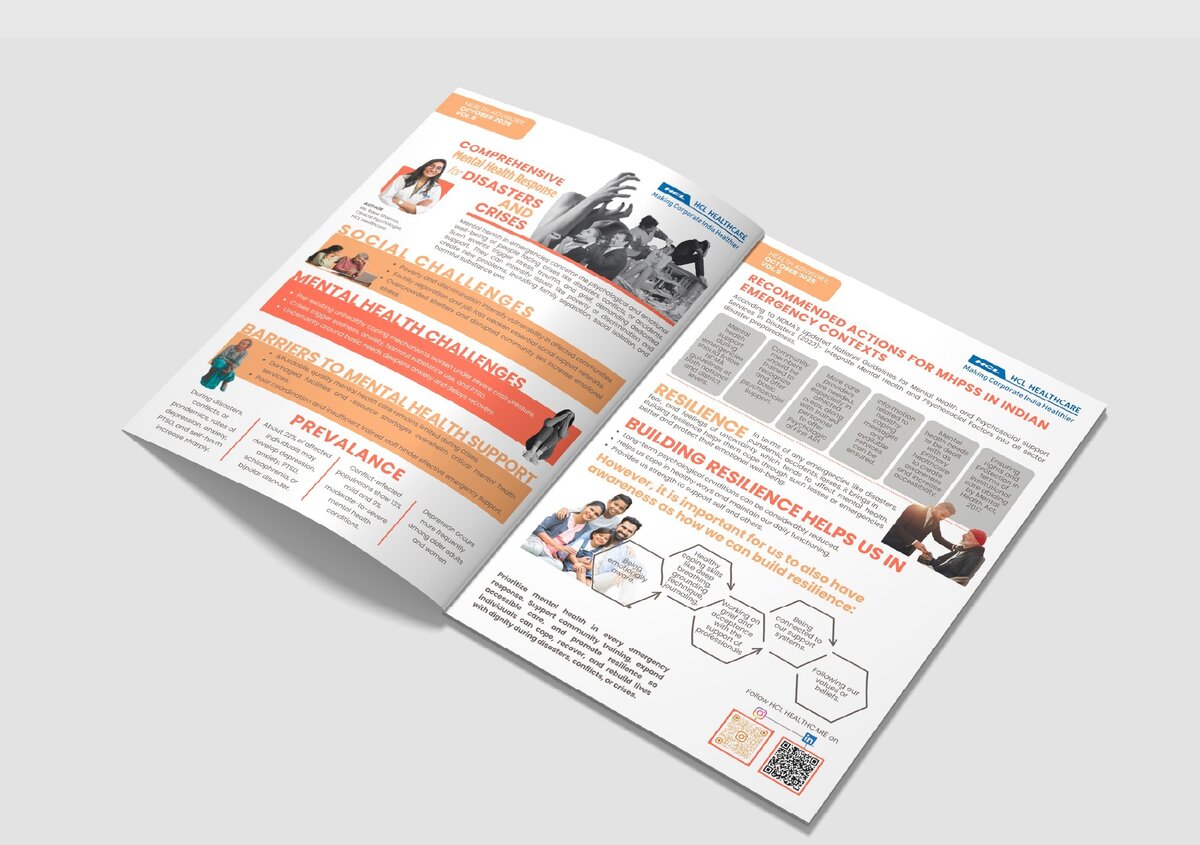
- How disasters and crises amplify existing mental health vulnerabilities
- The social and systemic barriers that prevent people from getting support during emergencies
- Practical steps to build personal resilience and support those around you
Why This Report Matters
- About 22% of people affected by crises develop depression, anxiety, PTSD, or related conditions
- Conflict-affected populations show significant rates of moderate-to-severe mental health conditions
- Depression during crises disproportionately affects older adults and women
- Mental health care access remains critically limited precisely when it is needed most
Key Insights Snapshot
Crises don't just create new mental health problems — they worsen pre-existing ones
Uncertainty around basic needs like shelter and income deepens anxiety and delays recovery
Building resilience through emotional awareness and healthy coping skills is proven to reduce long-term psychological impact
Community-level psychosocial support is as important as clinical intervention
Mental health must be integrated into primary healthcare and emergency preparedness, not treated as an afterthought
Who Should Download This
- CHROs and HR Leaders
- Benefits & Wellness Heads
- GCC and Corporate Strategy Leaders
- Business Leaders focused on workforce productivity
Prepare your workforce for mental health resilience during crises.
Download the full advisory to build a comprehensive mental health response plan.