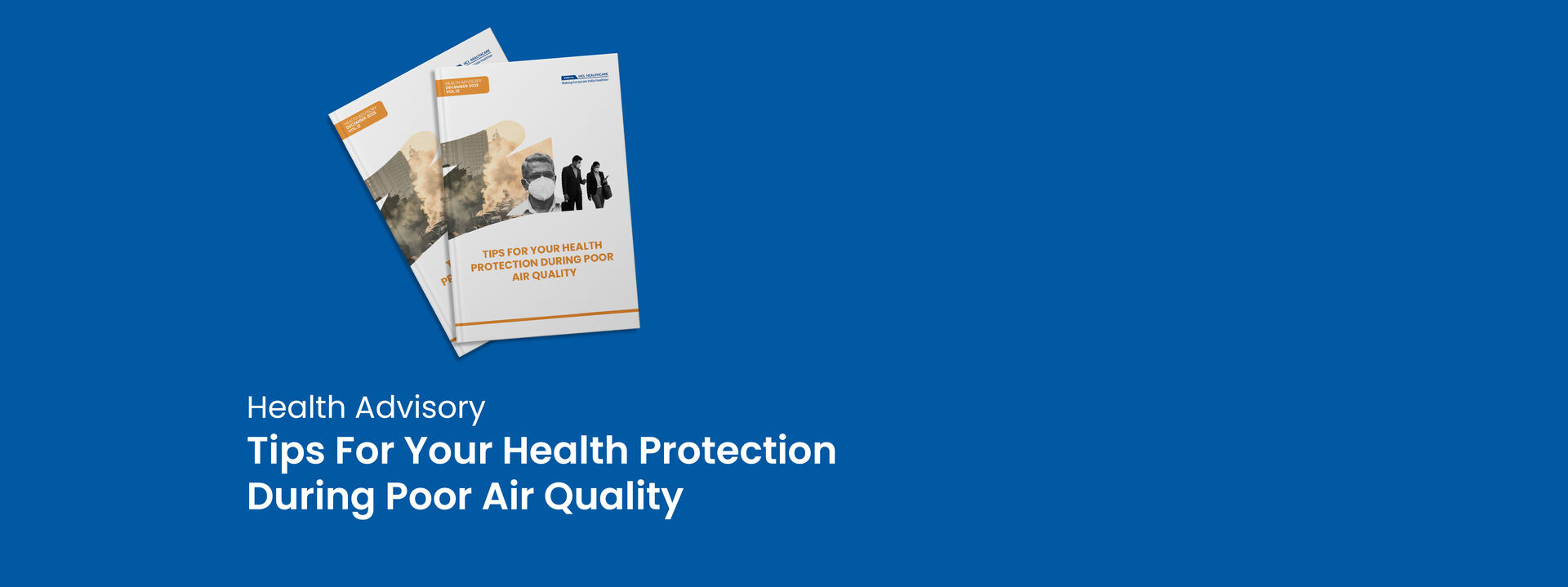
Tips for Your Health Protection During Poor Air Quality
Download Report
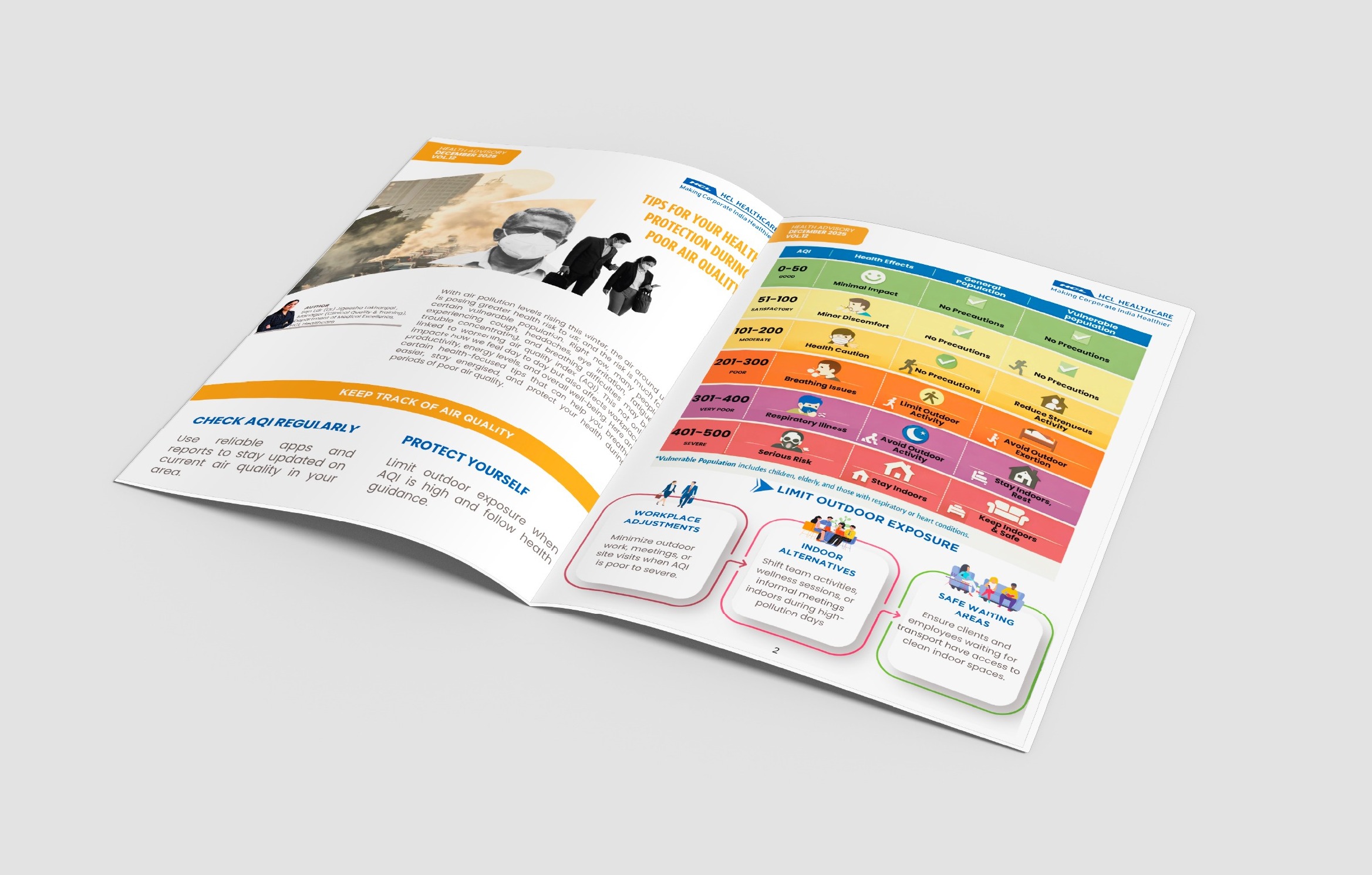
Practical guidance to help your workforce breathe safer, stay protected, and remain productive during high-pollution days.
What You'll Discover
- How to read and act on AQI levels before they affect your health
- Simple daily habits that reduce pollution-related health risks
- What employers can do to protect employees during poor air quality days
Why This Report Matters
- Poor AQI is directly linked to cough, fatigue, eye irritation, and reduced concentration at work
- Vulnerable employees — those with respiratory or heart conditions — face significantly higher risk
- Workplace productivity and employee wellbeing are both impacted by worsening air quality
Key Insights Snapshot
N95 masks offer significantly better protection than regular masks during high-pollution days
AQI above 300 means all outdoor activity should stop — especially for vulnerable employees
Anti-inflammatory foods like turmeric, ginger, and Vitamin C-rich produce actively support lung health
HEPA purifiers and proper ventilation management can meaningfully improve indoor air quality
Employees with preexisting conditions must carry prescribed medications and attend regular check-ups
Who Should Download This
- CHROs and HR Leaders
- Benefits & Wellness Heads
- GCC and Corporate Strategy Leaders
- Business Leaders focused on workforce productivity
Take the first step toward protecting your workforce during poor air quality.
Download the full advisory to help your employees breathe safer and stay healthier.